OSSIA Logo

Redefining Ergonomic Support

Long drives, daily commutes, and even short trips can quietly take a toll on your back. Most car seats are not designed to match the natural curve of your spine, and over time this leads to slouching, lower back pain, and fatigue. A lumbar support cushion is a simple, affordable solution that fixes this problem instantly.

What Is a Lumbar Support Cushion?

A lumbar support cushion is padded cushion designed to fit snugly against the back . It fills the gap between your spine and the seat, helping you maintain the natural spine posture while sitting.

Why Drivers and Passengers Need One

Simple support, better posture, less pain on the road

1. Corrects Poor Posture

Car seats often force the lower back into a slouched, rounded position. This cushion pushes the lower back forward slightly, restoring proper alignment and encouraging you to sit up straighter without even trying.

2. Reduces Back and Neck Pain

When the lower back is unsupported, extra strain shifts to the neck, shoulders, and upper back. Supporting the lumbar region relieves this chain reaction, reducing pain in multiple areas at once.

3. Prevents Fatigue on Long Drives

Sitting in a poor position makes muscles work harder to keep you upright, leading to tiredness. Proper lumbar support lets your muscles relax, so you feel less fatigued even after hours behind the wheel.

4. Improves Circulation

Slouched sitting can compress blood vessels and nerves in the lower back and legs. Better posture from lumbar support helps maintain healthier blood flow during long trips.

5. Helps Prevent Long-Term Spine Issues

Repeated slouching over months and years can contribute to chronic back problems. A lumbar cushion is a small daily habit that protects your spine's health in the long run.
Tip: A few minutes of discomfort today can turn into years of back problems tomorrow. A lumbar cushion is a small investment that protects your spine every time you drive.

The 3 Stages: From Gap to Pain to Relief

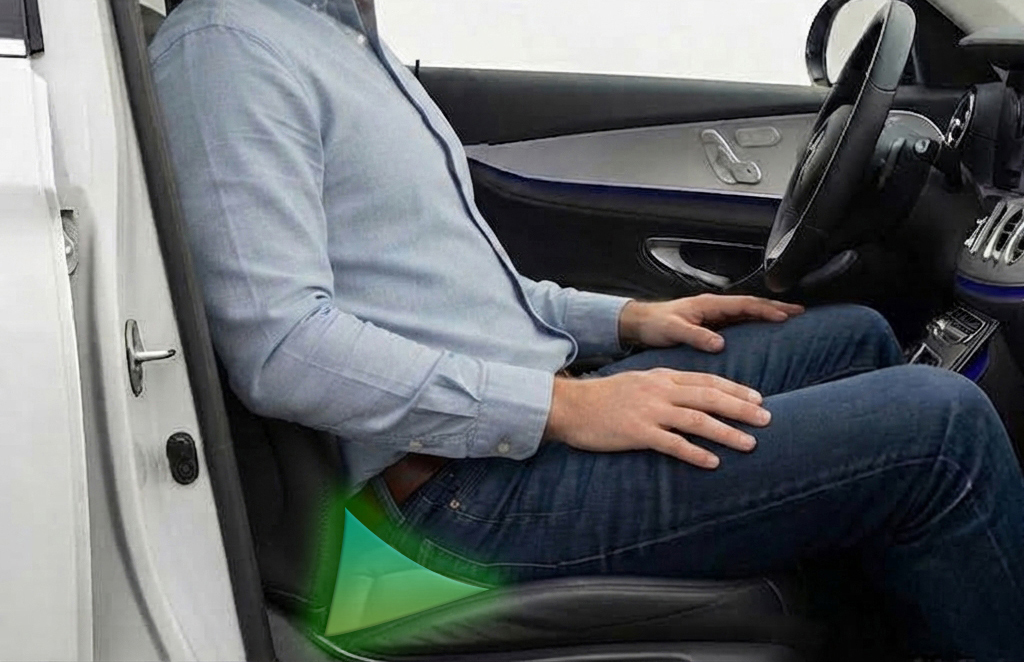
Stage 1: The Gap

1. The Gap

A hidden gap forms between your lower back and the seat, leaving the lumbar curve unsupported.
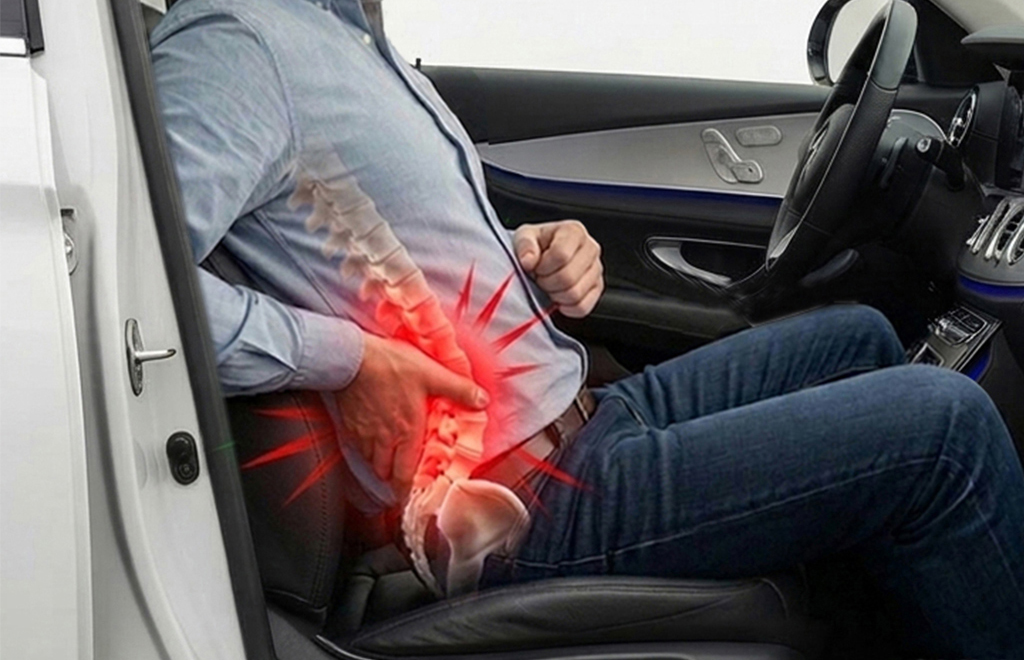
Stage 2: The Pain

2. The Pain

Left unsupported over a long drive, that gap turns into real, often sharp, lower back pain.
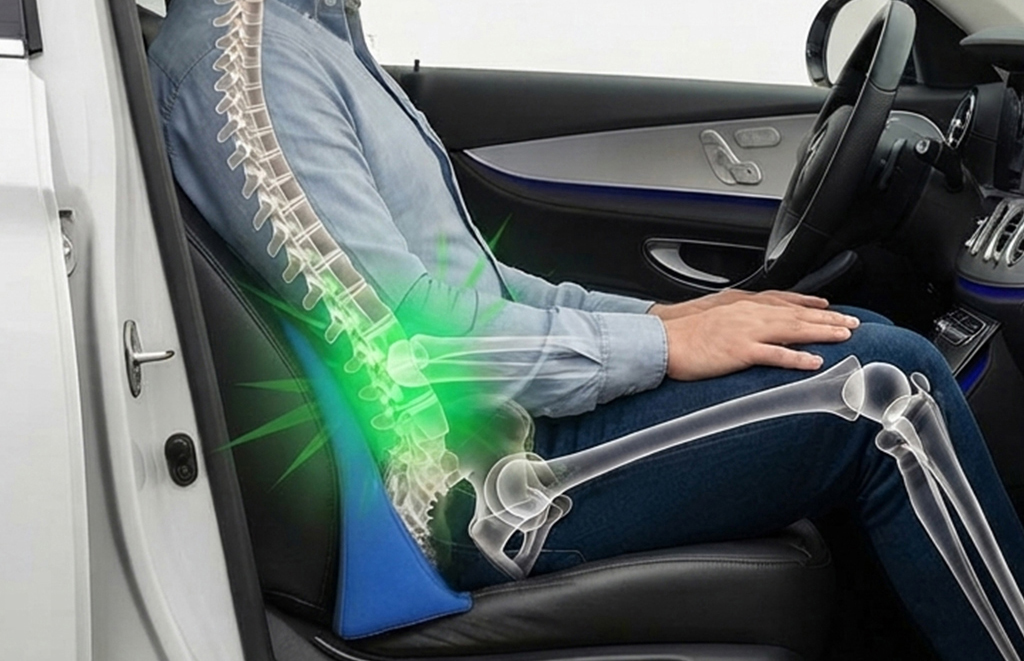
Stage 3: The Relief

3. The Relief

Adding a lumbar support cushion fills the gap, straightens the spine, and removes the strain.

Don't Wait for Stage 2

The OSSIA Lumbar Support cushion is designed to fill that exact gap the moment you sit down, so your drive stays in Stage 1 and Stage 3 — never Stage 2. If you spend real time behind the wheel, it is worth adding one to your seat today.

Why Choosing OSSIA

See how global alternatives and competitor products compare against our specialized design.

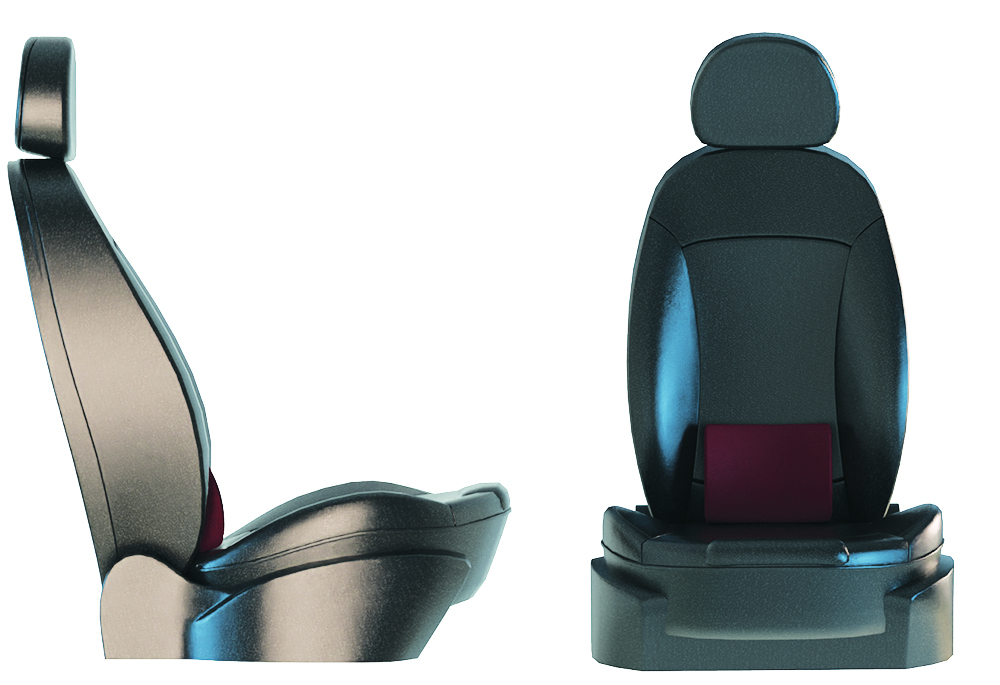
Other Products / Competitors Cons
Competitor Product 1
Competitor 1
  • Forward Displacement: Thickness and pronounced contours push the user forward, reducing total legroom and effective seat depth.
  • Fixed Geometry: High-density block shapes lack active mechanical adjustability, failing to suit diverse spinal curvatures universally.
  • Thermal Retention: Dense foam compositions accumulate body heat during extended drives due to limited airflow management.
  • Aesthetic Disruption: Contrasting inserts over factory upholstery alter the uniform look of vehicle interiors.
Competitor Product 2
Competitor 2
  • Tendency to Shift: Lacks tall framing or upper wings to anchor against the seat, causing frequent slipping during entry and exit.
  • Heat Trap: Memory foam contours to body heat and retains warmth, combining with dense polyester covers to cause moisture buildup.
  • Inflexible Zone: Uniform thickness forces a single pressure point, causing fatigue when shifting positions on long trips.
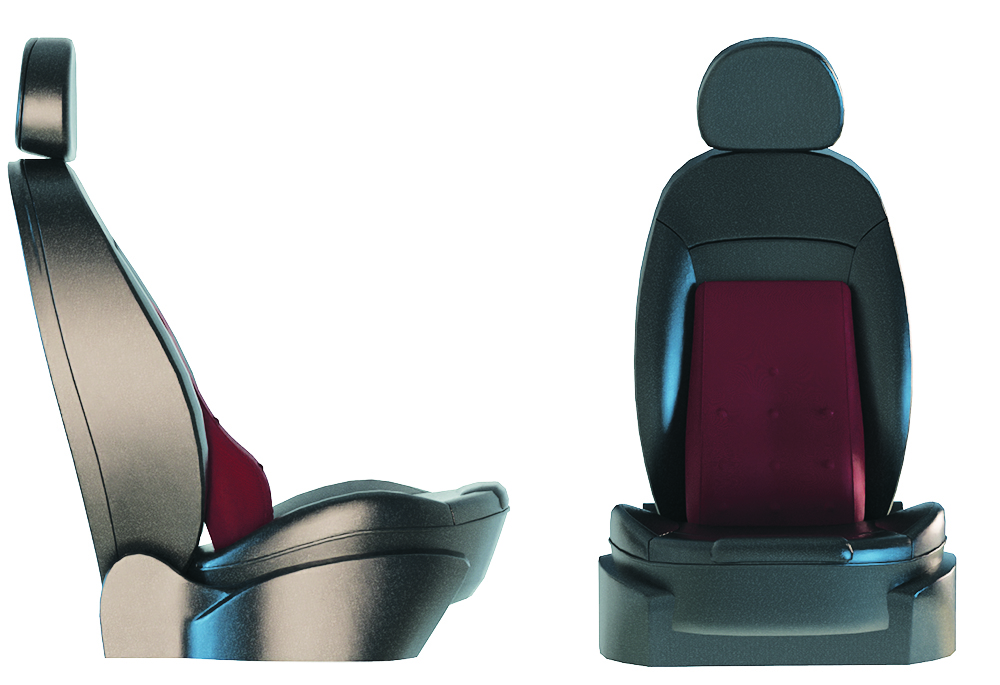
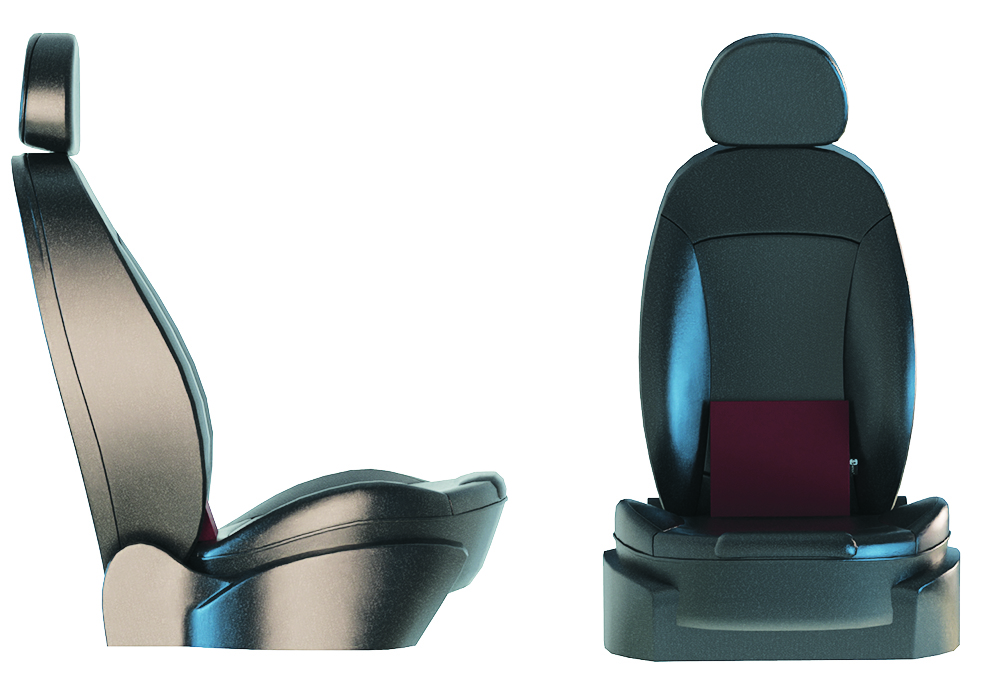
Competitor Product 3
Competitor 3
  • Blocky Profile: Flat slab shape lacks organic tapering, creating uneven pressure points along the ribs and flanks.
  • Stiff Density: Block-cut pads distribute pressure evenly rather than offering targeted relief where spines curve naturally.
  • Restricted Ventilation: Full-height vertical slabs block the center section entirely, trapping heat against the driver’s back.
  • Aesthetic Clash: Sharp vertical edges disrupt the organic, curved contours of standard car seats.
Competitor Product 4
Competitor 4
  • Bulky Base: Thick, rounded profiles push aggressively into the lower lumbar, causing strain for users preferring flatter surfaces.
  • Abrupt Transition: Sharp tapers above the bulge leave the mid-back unsupported and prone to fatigue.
  • Forward Shift: Substantial depth sacrifices seating space, compromising factory leg-to-steering ergonomics.
  • Restricted Airflow: Wide solid masses block natural air circulation, increasing warm-weather perspiration.
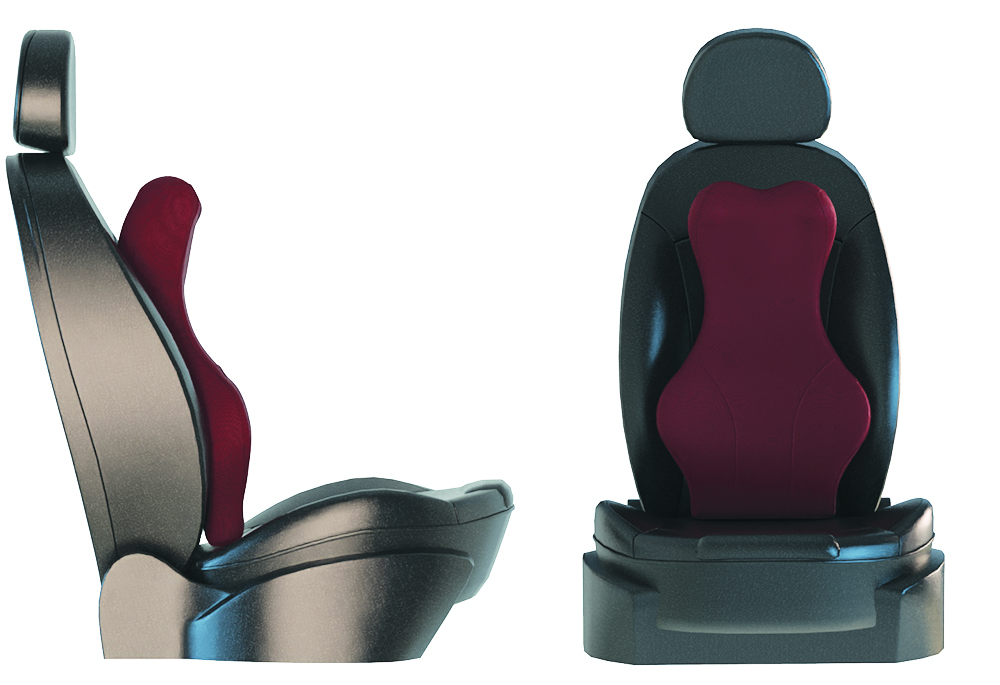
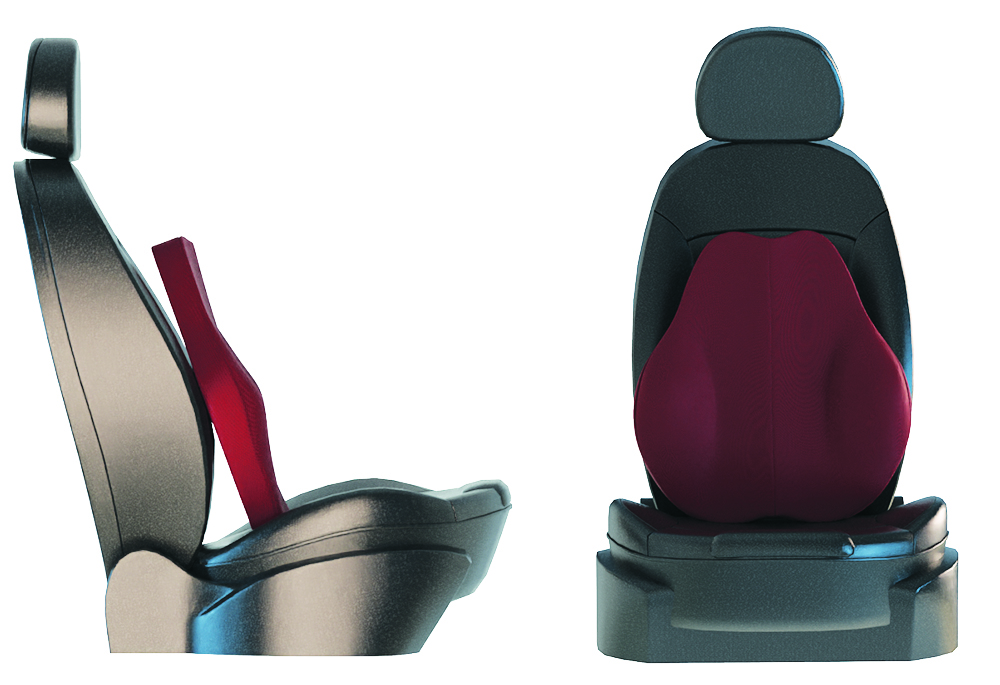
Competitor Product 5
Competitor 5
  • Bulky Base: Thick, rounded profiles push aggressively into the lower lumbar, causing strain for users preferring flatter surfaces.
  • Abrupt Transition: Sharp tapers above the bulge leave the mid-back unsupported and prone to fatigue.
  • Forward Shift: Substantial depth sacrifices seating space, compromising factory leg-to-steering ergonomics.
  • Restricted Airflow: Wide solid masses block natural air circulation, increasing warm-weather perspiration.
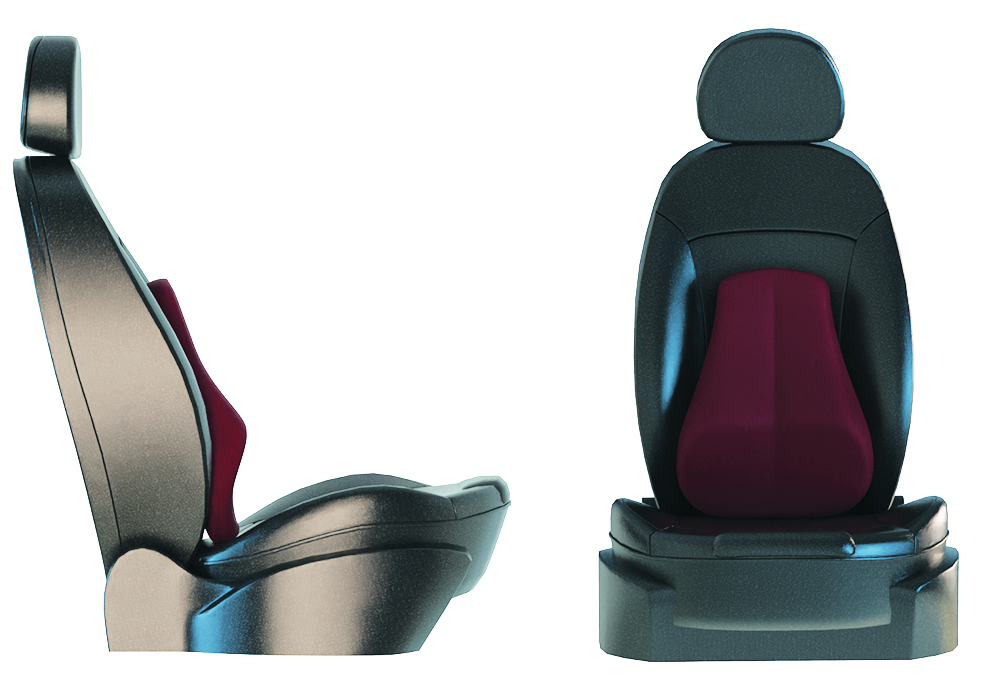
Competitor Product 6
Competitor 6
  • Narrow Top Profile: Sharp tapered upper peaks lack lateral width, offering no support for shoulder blades.
  • Aggressive Protrusion: Bell-shaped bottoms jut forward steeply, creating heavy pressure hotspots on lower spines.
  • Lack of Side Hug: Missing flared bolsters fails to stabilize torsos during cornering maneuvers.
  • Thermal Accumulation: Dense foam blocks air circulation, trapping body heat and moisture against upholstery.
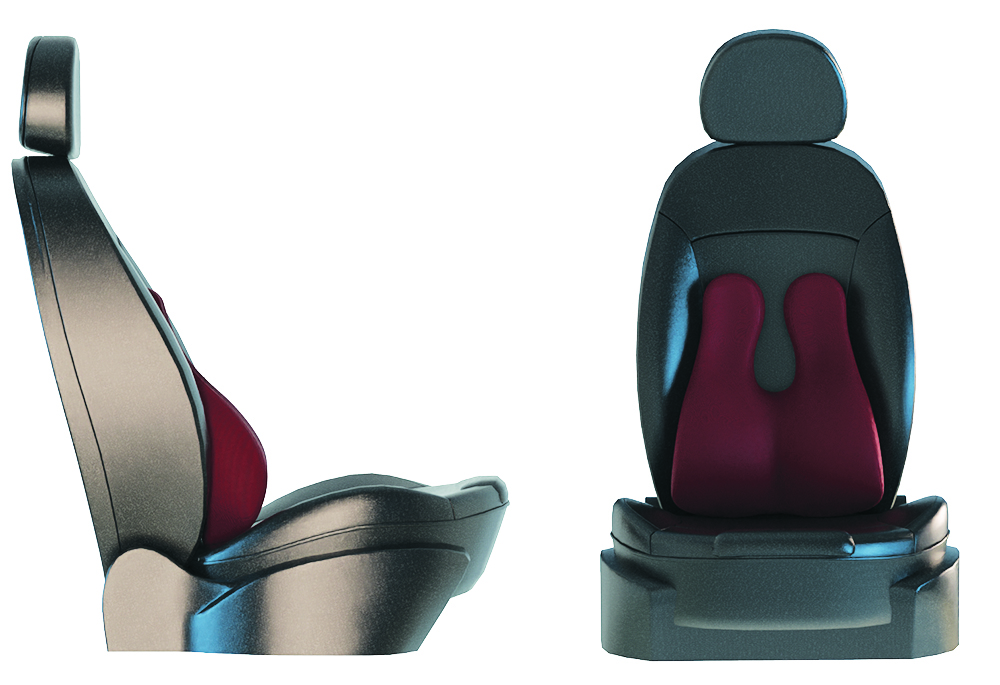
Competitor Product 7
Competitor 7
  • Channel Variance: Deep vertical split channels reduce direct bone pressure but create uneven support if spines misalign.
  • Aggressive Lobes: Prominent dual lobes protrude heavily, causing fatigue if a flatter profile is preferred.
  • Upper Drop-Off: Cushions terminate mid-back with sharp dips, leaving thoracic spines unsupported.
  • Thermal Trapping: Wide surface areas coupled with thick foam densities block seat ventilation systems.
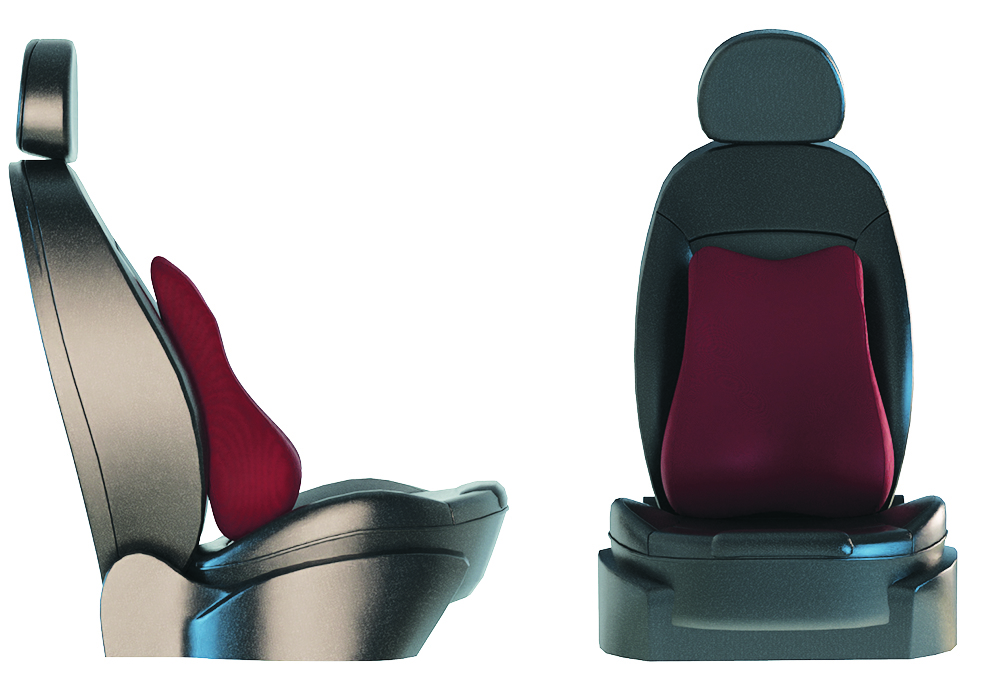
OSSIA Product
OSSIA
Engineered with medium-density flexible foam, 100% breathable cotton cover, and precise ergonomic contouring to deliver optimal spinal support without heat accumulation or bottoming out also portable you can easy carry and store.

See the Difference: Enhanced Pictures

Explore OSSIA in 360°

Drag or slide to rotate 360°

Benefits of OSSIA

  • Balanced Support without Bottoming Out: Medium-density flexible foam offers a responsive, resilient counter-pressure that maintains the necessary sacral space without collapsing under body weight, unlike memory foam which can bottom out over long drives.
  • Superior Thermal Comfort: A 100% cotton cover combined with breathable flexible foam allows natural airflow and moisture wicking, preventing the heat accumulation and perspiration commonly caused by synthetic polyester or dense, heat-trapping memory foam.
  • Preserved Factory Ergonomics: The carefully calibrated thickness fills the exact gap needed for spinal alignment without altering the seat's original contour or crowding the driver's legroom.
  • Immediate Resiliency: Flexible foam snaps back instantly when shifting position, providing consistent, dynamic support throughout your drive without the sluggish recovery time of memory foam.

Who Benefits Most?

Final Thoughts

Your car seat was built for a generic body shape, not yours. A lumbar support cushion, like the OSSIA cushion shown above, bridges that gap and gives your lower back the support it needs. It is a simple, low-cost addition that can make every drive more comfortable and protect your posture and spine health over time.

Buy OSSIA Now

Only through what's app (+201020244333)
Only through what's app
Amazon Noon Jumia
And save your back before it's too late